
ASSESSING THE RISK OF INFLAMMATORY BOWEL DISEASE FOLLOWING OCRELIZUMAB USE IN MULTIPLE SCLEROSIS PATIENTS: A RETROSPECTIVE ANALYSIS UTILIZING A LARGE NATIONAL DATABASE
Ocrelizumab is an anti-CD20 monoclonal antibody approved for the treatment of multiple sclerosis (MS), including primary progressive MS. Post-marketing surveillance has identified cases of immune-mediated colitis in Ocrelizumab users, some requiring hospitalization or even surgical intervention. Gi…
Lessons Learned From Antiobesity Medication Withdrawal Trials
The use of glucagon-like peptide (GLP-1) and glucose-dependent insulinotropic polypeptide (GIP)/GLP-1 receptor agonists, such as tirzepatide, continues to climb amidst patient demand and a growing set of clinical indications for treatment. As specialists and primary care clinicians adopt these medi…
Cardiometabolic Parameter Change by Weight Regain on Tirzepatide Withdrawal in Adults With Obesity
This post hoc analysis of a randomized clinical trial assesses changes in cardiometabolic parameters by degree of weight regain after withdrawal of tirzepatide.
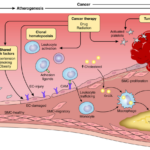
DAPK2 Regulates PKM2 Phosphorylation at Threonine 45 to Facilitate Disturbed Flow-Induced Atherosclerosis
Circulation, Ahead of Print. BACKGROUND:Oscillatory shear stress (OSS), resulting from disturbed blood flow, is implicated in atherosclerotic plaque formation by incompletely understood mechanisms. This study aims to elucidate the involvement of death-associated protein kinase (DAPK) 2 in OSS-induc…
Abstract WP058: Effects of protein C activator AB002 on hemorrhage and lesion volume in a rat model of collagenase-induced intracerebral hemorrhage
Stroke, Volume 57, Issue Suppl_1, February 1, 2026. Hemorrhagic risks associated with fibrinolytic drugs limit their use to a subset of acute ischemic stroke (AIS) patients. A hemostatically safe, rapidly-acting antithrombotic/thrombolytic may have broad patient eligibility and improve outcomes. AB…
Abstract DP024: Post-Recanalization Hyperperfusion Following Successful Endovascular Thrombectomy: A Quantitative CT and MR Perfusion Analysis
Stroke, Volume 57, Issue Suppl_1, February 1, 2026. Background:Post-reperfusion hyperperfusion or hyperemia is occasionally observed following endovascular thrombectomy (EVT), but its diagnostic criteria, prevalence, and clinical significance remain unclear. This study quantified perfusion changes …
Abstract DP267: PSCI improved when targeting TRPM2 channel in neurons
Stroke, Volume 57, Issue Suppl_1, February 1, 2026. Background:Emerging evidence implicates Post-Stroke Cognitive Impairment (PSCI) as a major contributor to long-term disability. Therefore, optimal therapeutic will need to reduce acute ischemic injury and enhance post-stroke brain function. Strong…
Abstract WP277: MYCT1 depletion exacerbates the inflammatory response in the retina post-stroke in a middle cerebral artery occlusion model
Stroke, Volume 57, Issue Suppl_1, February 1, 2026. Introduction:Visual impairment is a common complication post-stroke that goes overlooked due to the focus on cerebral consequences. Approximately 60% of stroke survivors acquire new visual impairments after stroke. Middle cerebral artery occlusion…
Abstract WP279: Targeting GLUT5 in Ischemic Stroke: A New Metabolic Approach for Neuroprotection
Stroke, Volume 57, Issue Suppl_1, February 1, 2026. Background:Current therapeutic options for ischemic stroke remain limited, necessitating novel therapeutic strategies. In ischemic stroke, glucose transport via glucose transporters (GLUT) is impaired, necessitating exploration of alternative anae…
Abstract WP032: Impact of stress-induced hyperglycemia on in-hospital medical complications in patients with acute stroke: From a large-scale nationwide longitudinal registry
Stroke, Volume 57, Issue Suppl_1, February 1, 2026. Aims:This study aimed to explore the relationship of stress-induced hyperglycemia (SIH) and in-hospital medical complications in acute stroke patients.Methods:This study enrolled a total of 865,765 patients with acute stroke from the Chinese Strok…
Abstract DP002: Red blood cell BPGM deficiency may contribute to cognitive decline in stroke patients
Stroke, Volume 57, Issue Suppl_1, February 1, 2026. Background:Cognitive impairment (CI) affects up to 60% of stroke survivors and is a major cause of morbidity and mortality after stroke. Red blood cells (RBCs), once thought to be passive oxygen carriers, are increasingly recognized as contributor…
Abstract DP244: Prognostic Value of Early Transcranial Doppler and Mean Arterial Pressure in Predicting Hemorrhagic Transformation and Functional Recovery After Successful Endovascular Therapy in Large Vessel Occlusion Stroke
Stroke, Volume 57, Issue Suppl_1, February 1, 2026. Background:Endovascular therapy (EVT) has markedly improved outcomes in large vessel occlusion stroke. However, early neurological deterioration (END) remains a critical challenge, often driven by re-occlusion, hyperperfusion, or hemorrhagic trans…
Abstract WP039: LVO Transfer Process within the hospital system
Stroke, Volume 57, Issue Suppl_1, February 1, 2026. Background:Reperfusion with endovascular thrombectomy (EVT) is a time-sensitive procedure that improves functional outcomes in acute LVO stroke. Per the American Heart Association Target Stroke Guidelines, LVO stroke transfer times (e.g. door-in-d…
Abstract DP027: Alteplase to Tenecteplase: Large Vessel Occlusion Outcomes at a Single Comprehensive Stroke Center
Stroke, Volume 57, Issue Suppl_1, February 1, 2026. Authors:Cory Tremain, MSN, RN, SCRN, Penelope McCabe, BSN, RN, SCRN, Lauren E. Fournier, MDIntroduction:In patients with acute ischemic stroke (AIS) due to large vessel occlusion (LVO), there is mixed data on thrombectomy outcomes with the adminis…
Abstract DP232: From Gut to Brain: Akkermansia muciniphila Modulates Microglial Lipid Metabolism and Inflammation to Enhance Post-Stroke Recovery
Stroke, Volume 57, Issue Suppl_1, February 1, 2026. Introduction:Acute ischemic stroke (AIS) is increasingly recognized as a systemic disorder in which gut microbiota dysbiosis drives neuroinflammation via the brain–gut axis. Akkermansia muciniphila (AKK), a commensal bacterium comprising ~3% of th…
Abstract WP278: Metabolic Control of Neuroinflammation: The Role of Irg1/Itaconate in Intracerebral Hemorrhage
Stroke, Volume 57, Issue Suppl_1, February 1, 2026. Purpose:Secondary brain injury following intracerebral hemorrhage (ICH) is amplified by metabolic reprogramming of resident microglia and infiltrating leukocytes in the peri-hematomal region. We previously identified itaconate—a metabolite generat…